

In April 2026, for the third time in a row I was speaking at the Global Age Assurance Standards Summit and why this has been on the go because I mapped the pattern of progress in India. My first year was about age assurance and digital safety, second year was about parental engagement and consent under DPDP and third year even when children are unprotected, I addressed the urgency that the government needs to take beyond just BAN.
The Dawn of Autonomous Cyber Threats
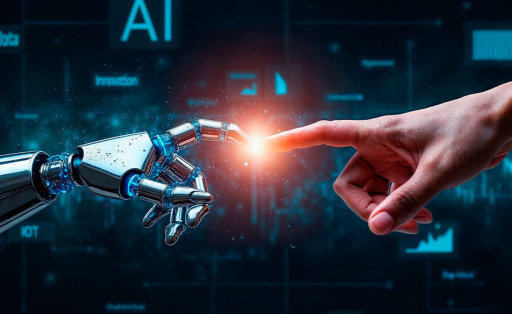
By now, the shockwaves have moved from Silicon Valley to Wall Street and straight into the halls of government. Anthropic recently unveiled Claude Mythos, a frontier AI model boasting capabilities so profound and potentially destructive that the company has deemed it too dangerous for public release. Prompting emergency meetings at the US Treasury and contributing to a massive two trillion dollar selloff in enterprise software stocks, Mythos is not just another incremental update in generative AI. It represents a fundamental paradigm shift in cybersecurity. At Social and Media Matters, our focus has always been on the intersection of digital rights, online safety, and tech policy. When an AI model demonstrates the autonomous ability to discover and exploit critical zero day vulnerabilities in minutes, we have to look past the technical marvel and urgently address the systemic and human centered implications.
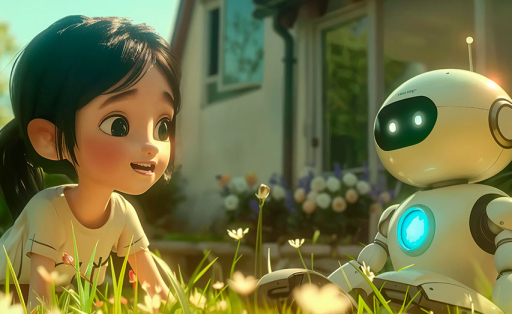
Imagine your 5-year-old asking Alexa, “Why do all princess movies need a prince to rescue them?” and Alexa replying, “Why do you think princesses need to be rescued by a prince?” That kind of exchange is no longer sci-fi. For many children today, Artificial Intelligence is woven into their early experiences of curiosity, stories, and even gender norms. Early childhood development is no longer happening only in homes, schools, and playgrounds, but also through smart speakers, apps, and interactive toys.

When dating apps first entered our lives, they promised connection through convenience, a modern twist on serendipity. With a simple swipe, you could meet someone new, flirt a little, feel seen. But as these apps became part of everyday romance, another reality began to surface. Behind every match notification, there now lurks the possibility of manipulation, grooming, and abuse.

In early 2026, the AI chatbot Grok, integrated into Elon Musk’s social media platform X, became the center of a major global controversy regarding online women's safety.
- Mindful Gaming Practices for Young Gamers in India: A Call for Responsible Play
- Facing the Shadows of Sextortion: A Youth Perspective on India's First Public Survey
- Protecting Innocence: Understanding, Preventing, and Responding to Child Grooming
- Navigating the Evolving Landscape of Deepfake Laws: A Guide for Online Platforms and Businesses